




Abstract
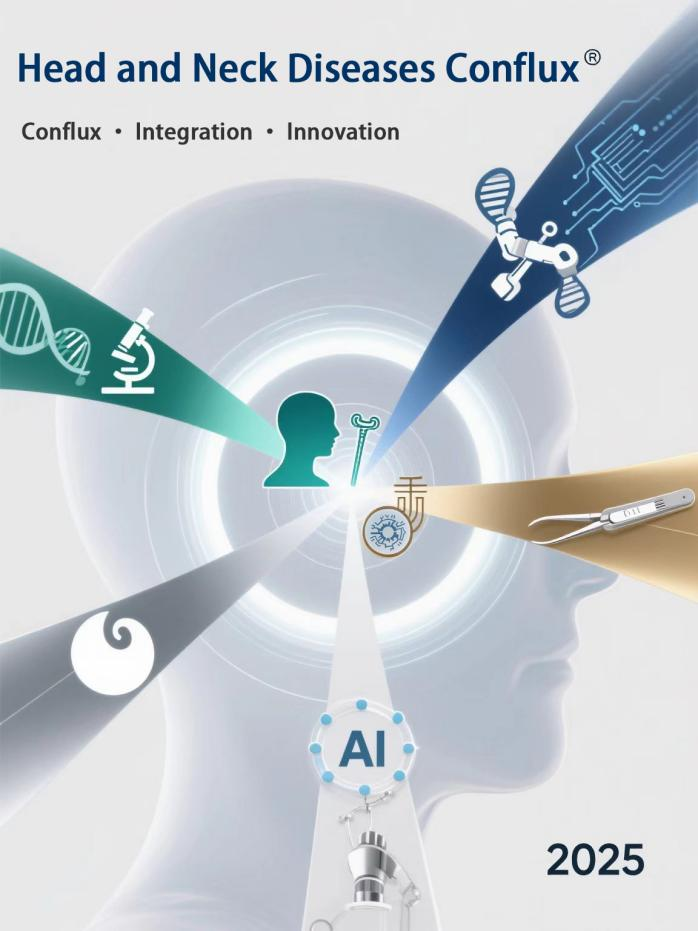
Head and Neck Diseases Conflux is a pioneering international journal dedicated to catalyzing interdisciplinary research and clinical innovation in head and neck medicine. Central to our mission is the integration of diverse medical specialties and fostering global academic collaboration as cornerstones of scientific advancement. The intricate anatomy of the head and neck region, encompassing complex sensory, neurological, and vascular systems, necessitates seamless collaboration among ophthalmologists, otolaryngologists, neurosurgeons, and allied specialists. The journal champions the full spectrum of translational research, bridging fundamental molecular discoveries with cutting-edge clinical applications including minimally invasive endoscopic techniques, artificial intelligence-enhanced diagnostics, novel cold plasma therapeutics, robotic-assisted surgical precision, and personalized 3D-printed implants. Through our commitment to cultivating future medical leaders and upholding the highest standards of academic rigor, we aim to accelerate transformative technologies in precision medicine, tissue engineering, regenerative therapeutics, and gene-editing applications. By promoting global partnerships and scientific discourse, Head and Neck Diseases Conflux aspires to make substantial contributions to advancing healthcare through evidence-based innovation and clinical excellence.
Keywords: head and neck medicine; collaboration; innovation
Introduction
The advancement of medical science has historically been driven by transcending conventional boundaries, integrating diverse scientific insights, and rigorously applying cutting-edge technologies. Situated at the strategic intersection of Eastern holistic traditions and Western biomedical precision, the journal Head and Neck Conflux has been established to catalyze groundbreaking discoveries, foster clinical innovation, and encourage rigorous interdisciplinary collaboration in the specialized domain of head and neck medicine.
Multidisciplinary Integration as a Foundation for Innovation
In contemporary medicine, transformative evolution is propelled by indispensable multidisciplinary synergy. Historically, journals such as Nature and Science pioneered the dissemination of influential research findings that have shaped medical science profoundly. In alignment with this esteemed tradition, Head and Neck Conflux explicitly seeks to bridge rigorous basic research with definitive clinical outcomes, addressing the unique and intricate challenges presented by head and neck pathologies.
The head and neck region, characterized by a dense convergence of sensory, neurological, vascular, and functional systems, inherently requires profound interdisciplinary collaboration. Clinical evidence consistently highlights that significant advances—ranging from precision orbital reconstruction and auditory rehabilitation to advanced minimally invasive skull base surgery—are predominantly achieved through collaborative efforts among ophthalmologists, otolaryngologists, neurosurgeons, and allied specialists. These integrated approaches continuously redefine clinical methodologies, elevate therapeutic standards, and substantially enhance patient outcomes.
From Fundamental Molecular Insights to Clinical Translation
Inspired by landmark journals such as Cell, which redirected biomedical research to molecular and cellular levels, and Nature Medicine, dedicated to translational advancements, Head and Neck Conflux emphasizes an integrated approach to translational research. Advanced methodologies, including minimally invasive endoscopic surgeries, artificial intelligence-driven diagnostic precision, innovative cold plasma oncology treatments, robotic-assisted surgical accuracy, and personalized 3D-printed implants, underscore our commitment to translating innovative research into meaningful clinical interventions.
These advancements profoundly reshape clinical paradigms. Molecular characterization of tumors now routinely informs personalized treatment strategies, significantly enhancing therapeutic effectiveness and improving patient prognosis. Precision-guided endoscopic techniques effectively mitigate risks historically associated with vascular complications, leveraging comprehensive anatomical and physiological knowledge. Furthermore, pioneering research into neural regeneration is achieving previously unattainable functional restoration, illustrating the critical role of translating fundamental molecular insights into clinical practice.
Nurturing Future Medical Leaders
The complexity of contemporary medical practice demands clinicians and researchers adept in advanced technologies, proficient surgical skills, and comprehensive integrative intellectual capabilities. Head and Neck Conflux proactively supports future medical leaders through structured mentorship programs, interdisciplinary training, and robust international academic exchanges. These initiatives aim to equip emerging medical professionals with the necessary skills to effectively navigate, innovate, and lead within increasingly intricate clinical and research environments.
Integrative Perspectives from Eastern and Western Medical Traditions
The progressive evolution of medical practice increasingly relies on the strategic integration of diverse historical, cultural, and technological insights. The proactive synthesis of Eastern holistic medical approaches with Western evidence-based precision medicine generates novel therapeutic paradigms. Engagement between emerging biomedical technologies—such as nanomedicine, genomic editing, and stem cell therapeutics—and traditional medical knowledge fosters significant opportunities for innovative global healthcare advancements.
Commitment to Academic Excellence and Intellectual Openness
Adhering unwaveringly to rigorous academic standards, Head and Neck Conflux mandates meticulous peer review, reproducibility of research findings, and empirical robustness. Concurrently, the journal fosters an environment conducive to intellectual openness and rigorous scientific debate. Embracing a philosophy championed by journals like Science, we maintain that disciplined, evidence-based discourse is fundamental for meaningful progress in medical science.
Strategic Vision for the Future
Advancements such as precision medicine, personalized therapeutic approaches, artificial intelligence integration, tissue engineering, regenerative medicine, and gene-editing technologies represent transformative forces reshaping contemporary clinical practice. Rapidly transitioning from conceptual aspirations into clinical realities, these innovations fundamentally alter diagnostic methods, therapeutic strategies, and patient outcomes within head and neck medicine.
Our Mission and Commitment
Head and Neck Conflux is dedicated to fostering integrative research, promoting clinical innovation, and facilitating interdisciplinary collaboration, honoring our historical legacy while proactively advancing future developments. The term "Conflux" symbolizes the integration of diverse knowledge streams, global academic partnerships, theory-practice convergence, and balance between tradition and innovation. Our unwavering dedication to scholarly rigor, scientific integrity, intellectual openness, and compassionate patient care underpins our ambition to significantly advance global head and neck medical practice.
Building upon our historical foundations and bolstered by multidisciplinary cooperation, we strive to propel head and neck conflux toward pioneering scientific discoveries and notable clinical milestones, substantially contributing to global healthcare advancement.
Declarations
Author contributions
Zhigang Huang: writing, prepare, create, and revise the article.
Acknowledgements
Thanks to all colleagues for supporting the sustainable development of Head and Neck Diseases Conflux.
Funding information
None.
Ethics approval and consent to participate
No ethics approval needed for this article.
Competing Interests
The authors declare that there is no conflict of interest regarding the publication of this article.
Data Availability
Not Applicable.
 Figures
 References
 Peer
Peer Information
Peer-review Terminology
Identity transparency: Single anonymized
Reviewer interacts with: Editor
Details
This is an open access article under the terms of the Creative Commons Attribution License(http://creativecommons.org/licenses/by/4.0/), which permits use, distribution and reproduction in any medium, provided the original work is properly cited.
Publication History
Received 2025-07-02
Accepted 2025-07-21
Published 2025-08-10